The Soy Secret: Why Your "Heart-Healthy" Protein Might Be Hijacking Your Hormones
Walk into any health food store today and soy is everywhere. It is in your milk alternatives, your protein bars, your salad dressings, and hidden inside hundreds of packaged foods you would never suspect. It has been marketed to us for decades as a clean, heart-healthy, plant-based protein — a smarter choice for a healthier life. But what if the story we have been told is incomplete?
Adrienne Muhammad
4/30/20264 min read
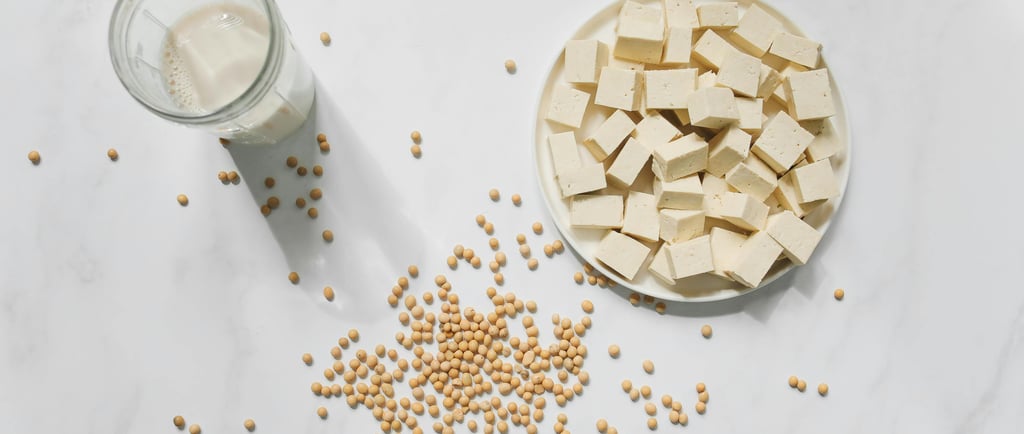
The Honorable Elijah Muhammad who advised not to eat soy or soy products also warned us in How To Eat To Live that we must be careful not simply about what we eat, but about what we think we know about food. The food industry has a long history of promoting what is profitable — not necessarily what is healing. Soy is one of the clearest examples of that truth.
If you have been struggling with stubborn weight gain, sluggish energy, mood imbalances, or chronic bloating — it may be time to take a serious look at the soy hiding in your pantry.
The Phytoestrogen Problem: When Plants Mimic Your Hormones
The most significant concern with soy is its high concentration of compounds called isoflavones — specifically genistein and daidzein. These are phytoestrogens, meaning they are plant-based molecules shaped almost identically to human estrogen.
Because of that similarity, they can dock into your body's estrogen receptors just like the real thing. The result? Your endocrine system becomes confused.
In some cases, phytoestrogens mimic estrogen — flooding the body with estrogen-like signals and creating what is known as estrogen dominance. In other cases, they block your natural estrogen from functioning properly. For men, this can quietly lower testosterone-to-estrogen ratios over time. For women, it can disrupt menstrual cycles, fertility, and thyroid function.
This is not a small, fringe concern. It is a biological reality worth understanding before you consume soy daily in the belief that it is helping you.
The Anti-Nutrient Problem: Stealing the Minerals You Need
Soy, like many plants, is designed by nature to protect itself. One of its primary defense mechanisms is phytic acid — what nutritionists call an "anti-nutrient."
Phytic acid binds to essential minerals in your digestive tract — calcium, magnesium, zinc, and iron — and prevents your body from absorbing them. You may be eating what you believe is a nutritious meal, while soy is quietly blocking the very minerals your cells depend on for energy, immunity, and hormonal balance.
There is more. Soy is also goitrogenic, meaning it interferes with thyroid peroxidase — the enzyme your thyroid requires to produce its hormones. If you are regularly eating soy and are even slightly low in iodine, you may be unknowingly putting your metabolism into what some researchers describe as a slow, quiet shutdown. Weight gain, fatigue, brain fog, and cold sensitivity are among the earliest signs.
A healthy thyroid is the engine of your body. Protect it.
The Processing Problem: What Soy Actually Becomes
The fermented soy foods of traditional cultures — miso, tempeh, natto — are a different conversation. These fermented foods were consumed in small amounts, as condiments, not as a primary protein source.
What most people are consuming today is something else entirely: Soy Protein Isolate.
To create Soy Protein Isolate, raw soybeans are bathed in hexane — an industrial chemical solvent — then processed under extreme heat. This strips away the natural structure of the protein and leaves behind a highly processed product that your gut barely recognizes as food. The fiber is gone. The enzymes are gone. What remains is a cheap filler that shows up in protein powders, energy bars, meat substitutes, and infant formulas.
And there is one more layer to this. Over 90% of soy grown in the United States is genetically modified to withstand heavy spraying of glyphosate — the active ingredient in Roundup, one of the most widely used herbicides in agricultural history. Research continues to emerge linking glyphosate exposure to disruption of the gut microbiome, hormonal signaling, and the gut-brain axis — the communication highway between your digestive system and your mind.
We are not simply eating protein. We are consuming the full history of how that protein was grown, processed, and brought to market.
How to Spot the Soy Hiding in Your Food
Soy is one of the most common hidden fillers in the modern food supply. Becoming an informed label reader is one of the most powerful acts of self-care you can practice. Here is what to look for:
"Vegetable Oil" — If a label simply says vegetable oil, it is almost always soybean oil. Swap it for cold-pressed avocado oil or extra virgin olive oil instead.
"Soy Lecithin" — This emulsifier is found in nearly every processed chocolate bar, baked good, and packaged snack. Look for products made with sunflower lecithin as a cleaner alternative.
"Soy Protein Isolate" — If this appears in your protein powder or supplement, it is worth replacing. Consider grass-fed whey protein or sprouted pea protein as nourishing, less disruptive options.
Better Choices to Add to Your Rotation
Nature has provided us with clean, whole alternatives that nourish the body without hormonal interference. Start here:
Coconut Aminos — A perfect one-to-one replacement for soy sauce. Lower in sodium, rich in amino acids, and completely soy-free. Your stir-fries will not miss a thing.
Sprouted Pea Protein — A clean plant-based protein that delivers amino acids without the phytoestrogens or processing concerns associated with soy isolate.
Avocado & Olive Oil — For cooking and dressings, these whole-food fats replace soybean oil beautifully and actively support hormonal health rather than disrupting it.
A Final Word
We have been taught to trust the label. To believe that if something is sold in a health food store, it must be health-giving. But the Most Honorable Elijah Muhammad taught us something deeper — that we must know our food. We must understand what we are putting into the temple of our body, and why.
Read the labels. Choose whole foods. Return to what the earth actually prepared for us.
Eat to live. 🌿
Always consult with your healthcare provider before making significant changes to your diet, especially if you are managing a hormonal or thyroid condition.