The Kale Catch: Why This Superfood Might Be Messing with Your Hormones
For a decade, kale has been recommended as the undisputed king of superfoods. We put it in smoothies, salads, and juices without a second thought. But what if this "health habit" is actually a hormone hazard? In this post, we break down the science of goitrogens—compounds in raw kale that physically block your thyroid from absorbing iodine, leading to exhaustion and metabolism gridlock. We also expose the subtle dangers of thallium accumulation and gut-irritating oxalates, proving that when it comes to raw greens, more isn’t always better.
3/31/20264 min read
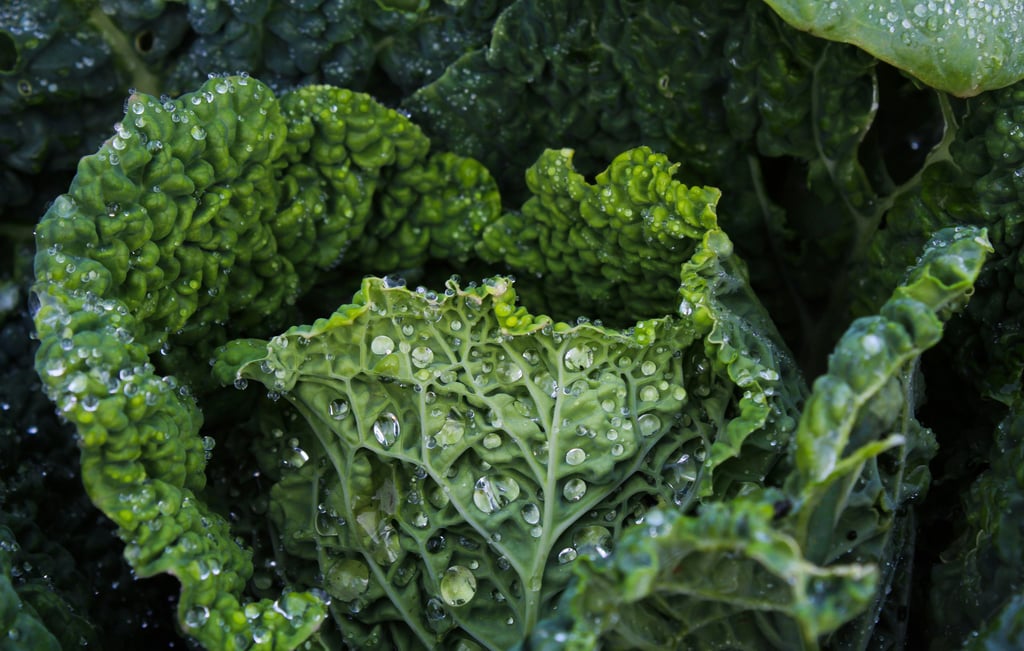
The Kale Catch
For years, kale has been stated to be the undisputed king of the "superfood" world. People put it in smoothies, massage it into salads, and even bake it into chips. But there’s a dirty little secret in the nutrition world: for some people, a "kale habit" can actually be a "hormone hazard."
If you’ve been feeling sluggish, cold, or dealing with unexplained brain fog despite eating "perfectly," your kale might be the culprit.
The Goitrogen Problem: Hijacking Your Thyroid
Kale belongs to the cruciferous family, and like its cousins (broccoli and cauliflower), it contains compounds called goitrogens.
Think of your thyroid like the "thermostat" for your entire body. It controls your metabolism, your temperature, and your energy levels. To work properly, your thyroid needs iodine. Goitrogens are sneaky molecules that physically block your thyroid from absorbing that iodine.
When you consume massive amounts of raw kale—especially in concentrated green juices—you are essentially "locking the door" on your thyroid. Over time, this can lead to an enlarged thyroid (a goiter) or hypothyroidism, leaving you feeling exhausted and stuck in a metabolic rut.
Thallium: The Heavy Metal Hitchhiker
This is the part that usually surprises people. Kale is a "hyper-accumulator" of a heavy metal called Thallium which it sucks up from the soil. Even organic kale can be high in thallium if the soil it grew in has trace amounts. This also includes kale chips.
Thallium toxicity is subtle but nasty. It can cause:
Thinning hair or hair loss.
Skin rashes.
"Brain fog" and low-level fatigue.
Hormonal disruptions that mimic other chronic issues.
Because we tend to eat kale in such high volumes (think of how many leaves it takes to make one green juice), we can accidentally "bio-accumulate" this metal faster than our liver can clear it out.
The "Leaky Gut" Connection: Oxalates
Kale is also high in oxalates. These are tiny, razor-sharp crystals that plants use as a defense mechanism. In your body, oxalates can bind to calcium and form painful kidney stones. But worse than that, they can irritate the gut lining and trigger systemic inflammation—which, as we know from the Gut-Brain Axis, is the fast track to a bad mood and a sluggish brain.
Healthy Substitutes for Kale:
1. Bok Choy (Chinese Cabbage)
Bok choy is arguably the best all-around substitute for kale because it is extremely low in oxalates while remaining a nutritional powerhouse.
The Oxalate Count: Only 1 mg per cup.
Why it's great: It is a cruciferous vegetable rich in calcium that is actually better absorbed by the body because it isn't bound up by oxalates. It also contains Selenium, which supports your thyroid—the exact opposite effect of the "Goitrogen Lockout" we talked about with raw kale.
Best for: Stir-fries, soups, or even raw in a crunchy slaw.
2. Red Leaf Lettuce or Butter Lettuce
While often dismissed as "just water," these lettuces are surprisingly nutrient-dense and almost completely free of oxalates.
The Antioxidant Edge: Red leaf lettuce gets its purple-red tips from anthocyanins. These are the same potent antioxidants found in blueberries and are excellent for fighting the systemic inflammation we discussed in your Gut-Brain Axis post.
Low Oxalate Safety: Both are considered "safe bets" for a low-oxalate diet. While butter lettuce has about 5mg per cup, red leaf and green leaf varieties typically test even lower, often near 0mg.
Thyroid/Hormone Friendly: Unlike kale, red leaf lettuce is not goitrogenic. It won't interfere with your thyroid's iodine uptake, making it a perfect "recovery green" for your hormone health.
Texture & Use: While butter lettuce is soft and "buttery" (perfect for wraps), red leaf lettuce is ruffled and tender with a slightly more robust, earthy flavor.
Bottom Line: Red leaf lettuce is an excellent nutritional "level up" from butter lettuce while maintaining the same low-oxalate and hormone-safe benefits.
3. Watercress
If you like the peppery kick of arugula or the "bite" of kale, watercress is a sophisticated, low-oxalate alternative.
The Oxalate Count: 0 mg to 10 mg per cup.
Why it's great: It has been ranked as one of the most nutrient-dense vegetables on the planet. It is packed with antioxidants and is known for supporting detoxification pathways in the liver.
Best for: Topping salmon, blending into a light soup, or adding to sandwiches for extra zing.
The Bottom Line
More isn't always better. In the quest for health, "superfoods" can sometimes become stressors. If your hormones are feeling out of sync or, before they begin to stress it might be time to put down the kale massager and give your thyroid some breathing room.
FAQs: The Kale Catch
Q: Is "cooked" kale completely safe for my thyroid, then? A: "Completely" is a strong word, but cooking kale (steaming or sautéing) reduces its goitrogenic activity by about 70% to 90%. This heat deactivates the enzyme responsible for creating the goitrogens that block your iodine uptake. Cooked kale still contains some oxalates and potentially trace thallium.
Q: If I'm worried about "Thallium Accumulation," do I have to stop eating kale entirely? A: Thallium is a heavy metal that kale absorbs from the soil. You bio-accumulate it faster when you consume concentrated amounts, like in green juices. The solution is simple: rotate your greens. Give your liver and thyroid a "green vacation" by swapping kale for Red leaf lettuce, Butter lettuce, Watercress, Arugula or nutrient-dense Bok Choy, which all belong to a different family and don’t carry the same goitrogen and thallium load.
Adrienne Muhammad, CFNC