The Hidden Dangers of Blood Clots: What You Need to Know
Blood clots are a silent threat that can lead to heart attacks and strokes—the top causes of death in the U.S. Learn what triggers blood clots, how excess calcium and inflammation increase your risk, and the natural nutrients that can protect your heart. Discover how Vitamin K2, magnesium, nitric oxide, and simple lifestyle changes like fasting, diet, and exercise can help prevent clot-related heart disease.
Adrienne Muhammad
10/14/20253 min read
The Hidden Dangers of Blood Clots: What You Need to Know
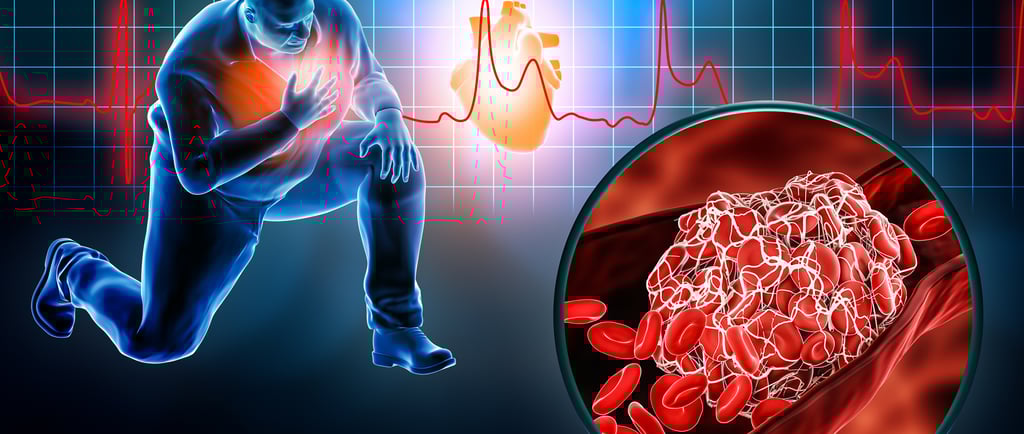
The #1 cause of death in the United States and globally is not Cancer, but its Heart Disease. Blood clots are a hidden danger that can cause heart attacks and strokes. Clotting is a natural function of the healing process that prevents excess bleeding during injury. A clot can form in less than five seconds, and if it doesn’t dissolve properly, it can lead to life-threatening conditions. Understanding what causes clots and how to prevent them is essential for heart health.
What Causes Blood Clots?
Several factors can increase the risk of blood clots, including:
Smoking and Vaping – Chemicals in tobacco and e-cigarettes can damage blood vessels and increase clotting risk.
Pollution and Chemicals – Exposure to environmental toxins can trigger inflammation in the body.
Alcohol – Excessive alcohol intake may contribute to clotting disorders.
Birth Control Pills – Certain hormonal contraceptives can raise the likelihood of clot formation.
Stress – Chronic stress increases cortisol levels, which can make blood thicker and more prone to clotting.
Surgery – Any surgical procedure can temporarily increase clotting risk.
Endurance Sports – Long-distance running and extreme exercise can lead to dehydration and blood thickening.
Refined Starches – Highly processed carbohydrates can spike blood sugar, leading to inflammation and clotting issues.
Infections – Some infections, including COVID-19, can cause excessive clot formation.
High Blood Sugar – Diabetes and insulin resistance increase the likelihood of clots.
Inflammation – Chronic inflammation damages blood vessels and promotes clotting.
Excess calcium in the arteries can also trigger clotting, leading to heart attacks and strokes. Postmenopausal women who take large amounts of calcium supplements are at an even greater risk.
The Role of Calcium in Clotting
Calcium is involved in over 15 different clotting factors. Too much calcium in the arteries can be dangerous, but Vitamin K2 helps prevent calcium buildup in soft tissues and arteries. You can get Vitamin K2 naturally from:
Grass-fed dairy products
Butter
Natto (fermented soybeans)
Egg yolks
Liver
Always pair Vitamin D with Vitamin K2 to ensure calcium is properly utilized by the body.
Magnesium: The Calcium Regulator
Magnesium helps regulate calcium levels and prevents it from depositing in arteries. It also reduces the risk of irregular heartbeats (arrhythmias) and atrial fibrillation. Excellent food sources of magnesium include:
Dark leafy greens (spinach, kale, Swiss chard)
Seeds (almonds, pumpkin seeds, sunflower seeds)
Avocados
Bananas
Dark chocolate
Boosting Nitric Oxide for Heart Health
Nitric oxide is a powerful molecule that relaxes blood vessels and reduces clotting. You can increase nitric oxide levels naturally by:
Getting Sunlight – The skin produces nitric oxide when exposed to the sun.
Eating Vitamin D-Rich Foods – Salmon, egg yolks, and fortified dairy can help.
Consuming L-Arginine – Found in nuts, seeds, meat, and chickpeas.
Eating Polyphenol-Rich Foods – Berries, dark chocolate, green tea, and red wine in moderation.
Getting Enough Vitamin C – Citrus fruits, bell peppers, and strawberries are excellent sources.
Consuming Omega-3 Fatty Acids – Fatty fish (salmon, mackerel, sardines), and flaxseeds provide heart-healthy fats.
Lifestyle Changes to Prevent Clotting
Follow a Keto or Intermittent Fasting Plan – These dietary approaches reduce inflammation and improve blood sugar control.
Exercise Regularly – Moderate activity, like walking or swimming, improves circulation and lowers clot risk.
Eat Garlic and Onion – These foods have natural anticoagulant properties that support heart health.
Take Natural Enzyme Supplements: (Consult your Dr. if you are taking blood thinning Rx.)
Curcumin – Found in Turmeric has anti-inflammatory, blood thinning, anticoagulant properties. Combining turmeric with black pepper can increase absorption by 2000%.
Cayenne –Available as whole peppers, as a spice or supplements, has a blood thinning effect.
Ginger – Can slow blood clotting.
Bromelain – Found in pineapples, it has anti-inflammatory and clot-reducing properties.
Take Charge of Your Heart Health
By making simple lifestyle changes, you can lower your risk of blood clots and improve your heart health. Avoid smoking and vaping, eat a balanced diet rich in natural anti-clotting foods, and stay active. Small changes can make a big difference in preventing heart attacks and strokes.
Clots can be caused by the following:
•Smoking
•Pollution/chemicals
•Alcohol
•Birth control pills
•Stress
•Surgery
•Endurance sports
•Refined starches
•Infection
•High blood sugar
•Inflammation
Excess calcium in the arteries can also trigger clotting, which can lead to a heart attack or stroke. Postmenopausal women who take large amounts of calcium are at a much greater risk for blood clots.
Calcium is involved in over 15 different clotting factors. Vitamin K2 prevents calcium from building up in the soft tissues and arteries. It is found in dairy, butter, and other fatty foods. Always take vitamin D with vitamin K2.
Magnesium is another important calcium regulator. It helps prevent calcium from entering the soft tissues, as well as arrhythmias and atrial fibrillation.
Nitric oxide can reduce clotting. Vitamin D, L-arginine, and sunlight can increase nitric oxide to help prevent heart attack. Polyphenols, vitamin C, and omega-3 fatty acids all support heart health and may help reduce your risk of clotting.
Keto and intermittent fasting can help reduce clotting by reducing inflammation in your arteries. Regular moderate exercise is vital in preventing clotting. Garlic and onion are also essential. We can yield huge health benefits by making consistent and positive changes in our lifestyle.
Let me know what you think?
-Adrienne Muhammad, CFNC