The Health Benefits of Turmeric: More Than Just a Spice Turmeric Benefits
Turmeric isn’t just a kitchen spice—it’s nature’s golden medicine. Rich in curcumin, turmeric offers powerful anti-inflammatory and antioxidant effects that protect against chronic disease, support brain and heart health, and even promote clear, radiant skin. Learn how turmeric can aid digestion, improve mental clarity, and potentially fight cancer—plus tips for choosing pure, high-quality turmeric for your health and wellness routine.
Adrienne Muhammad
10/16/20252 min read
The Health Benefits of Turmeric: More Than Just a Spice Turmeric Benefits
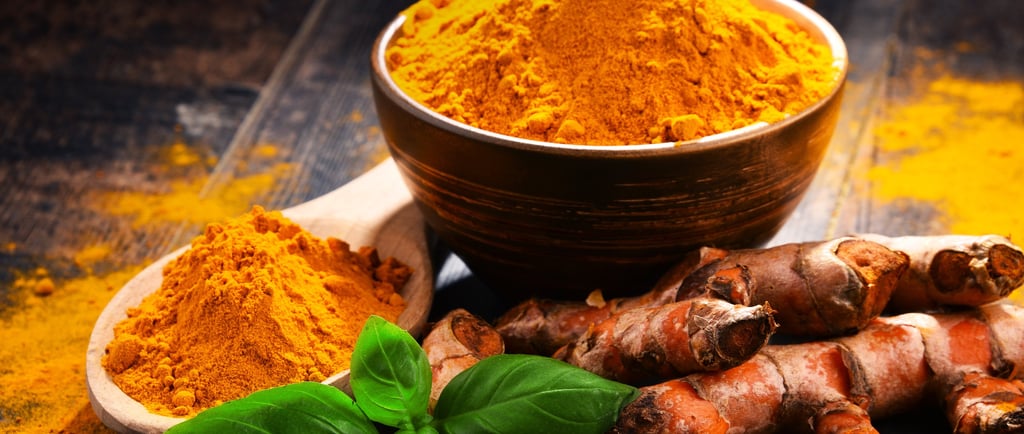
Turmeric, a nutritional spice often referred to as the "golden spice," is not just a staple in culinary traditions—particularly in South Asia—but also a powerhouse of medicinal benefits. Originating from the root of the Curcuma longa plant, it has been used for thousands of years in Ayurvedic and traditional medicine. Here and here are some of the health benefits of turmeric.
Anti-Inflammatory Properties
One of the most celebrated properties of turmeric is its ability to reduce inflammation. The active compound in turmeric, curcumin, has been shown to modulate the body’s inflammatory responses, making it comparable to some anti-inflammatory drugs but without the side effects. This makes turmeric a beneficial addition to the diet for managing inflammation in conditions like arthritis.
Antioxidant Effects
Turmeric is a rich source of antioxidants. These compounds help protect your cells from damage caused by free radicals, which are unstable molecules that the body produces as a reaction to environmental and other pressures. By neutralizing free radicals, turmeric helps prevent cellular damage and may reduce the risk of several diseases.
Boosts Brain Health
Research has indicated that curcumin can increase the levels of brain-derived neurotrophic factor (BDNF), a type of growth hormone that functions in the brain. Low levels of BDNF have been linked with various mental disorders, including depression and Alzheimer’s disease. By boosting BDNF levels, turmeric may help delay or even reverse many brain diseases and age-related decreases in brain function.
Improves Heart Health
Turmeric can improve the function of the endothelium, which is the lining of the blood vessels and the vessels of the lymphatic system. Endothelial dysfunction is a significant driver of heart disease, involving an inability of the endothelium to regulate blood pressure, blood clotting, and other factors. The curcumin in turmeric improves endothelial function which is beneficial for heart health.
Aids Digestion
Turmeric is traditionally used to promote digestive health. The spice can aid digestion by stimulating the gallbladder to produce bile, making the digestive system more efficient. It also can help reduce symptoms of bloating and gas.
Potential Cancer-Fighting Properties
Curcumin shows promise in cancer treatment as it can affect cancer growth, development, and spread at the molecular level. Studies have shown that it can reduce angiogenesis (growth of new blood vessels in tumors), metastasis (spread of cancer), as well as contribute to the death of cancerous cells.
Improves Skin Health
Turmeric’s anti-inflammatory, antimicrobial, and antioxidant properties may contribute to healthier skin. Applied topically or ingested, turmeric can help fight pimples by inhibiting the growth of pimple-causing bacteria and reducing oil secretion by the sebaceous glands. The anti-inflammatory qualities of turmeric can also help soothe conditions such as psoriasis and eczema.
Conclusion
Turmeric is relatively inexpensive and offers multiple health benefits, from improving mental health to battling chronic inflammation and even helping to prevent cancer. Because of its popularity fake turmeric has found its way to grocery shelves so just do a little research and shop for the highest quality turmeric you can find. Whether used in cooking, taken as a supplement, or applied topically in beauty products, incorporating turmeric into your daily routine can provide significant health benefits. However, it's important to consult with a healthcare provider before starting any new treatment regimen, if you have existing health conditions or are taking other medications. It is also advised that pregnant and nursing women should not take Turmeric supplements.
Have you tried Turmeric before? Let me know what you think about it and if you want me to share a few recipes with you.
Adrienne Muhammad, CFNC